
"global café culture"
200 article(s) found
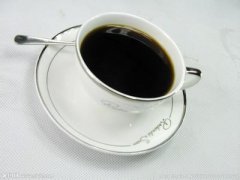
A documentary about Fair Trade Coffee
If you want to understand what Fair Trade Coffee (Fair Trade Coffee) is, watching this documentary is the most intuitive. BlackGold (Black Gold, 2006) is a documentary about Ethiopian coffee growers facing exploitation by Western multinationals. The narrative style of the film is very simple, and the camera is constantly switching between two worlds that are very different: elegantly dressed.

Drink coffee with peace of mind
If you want to understand what Fair Trade Coffee (Fair Trade Coffee) is, watching this documentary is the most intuitive. BlackGold (Black Gold, 2006) is a documentary about Ethiopian coffee growers facing exploitation by Western multinationals. The narrative style of the film is very simple, and the camera is constantly switching between two worlds that are very different: elegantly dressed.

Introduction of Rwanda Coffee Variety-Malaba Coffee beans
Rwandans have been growing coffee since colonial times, but until 1999, its products were still classified as below Class C and were not popular in the global market. The reason for the poor quality is that farmers do not have a fixed procedure for washing coffee beans and do not process coffee fruits according to specifications in time. Buyers buy coffee beans at $0.33 per kilogram, and farmers keep warm by the meagre profits earned at low prices.

The Coffee Film introduces the documentary Fair Trade Coffee.
BlackGold (Black Gold, 2006) is a documentary about Ethiopian coffee growers facing exploitation by Western multinationals. The narrative style of the film is very simple, and the camera constantly switches between two worlds that are very different: a beautiful day for elegantly dressed Italians begins with a cup of coffee in the morning, while coffee growers live in a rough shirt and bare feet.

The long history of coffee.
With the first coffee bean picked, baked for the first time, ground for the first time, and the first cup of hot coffee melted for the first time, legends about coffee cultivation and coffee culture spread on our small planet have become one of the greatest and most romantic stories in history. There are many legends about the origin of coffee, but most of them are due to its famine.

Coffee video recommends a documentary about "Fair Trade Coffee"
If you want to understand what Fair Trade Coffee (Fair Trade Coffee) is, watching this documentary is the most intuitive. BlackGold (Black Gold, 2006) is a documentary about Ethiopian coffee growers facing exploitation by Western multinationals. The narrative style of the film is very simple, and the camera is constantly switching between two worlds that are very different: elegantly dressed.

A great shock! Taiwan media exposed the inside story of Unification Group selling Shanghai Starbucks! It all comes from ambition.
Exchange of professional baristas Please pay attention to the Coffee Workshop (official Wechat account cafe_style) when the golden rooster mother grows up and will eventually be returned to its owner, what preparations will you make before that? In late July, Uni-President announced a "stock swap" deal with Starbucks of the United States, selling its 50% stake in Shanghai Starbucks and buying Taiwan Starbucks.
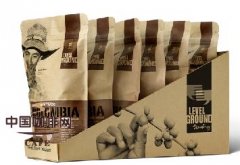
The Coffee Film introduces a documentary about Fair Trade Coffee
If you want to understand what Fair Trade Coffee (Fair Trade Coffee) is, watching this documentary is the most intuitive. BlackGold (Black Gold, 2006) is a documentary about Ethiopian coffee growers facing exploitation by Western multinationals. The narrative style of the film is very simple, and the camera is constantly switching between two worlds that are very different: elegantly dressed.

Chimere Manor, Lutesilo production area, Western Province of Rwanda
Rwandans have been growing coffee since colonial times, but until 1999, its products were still classified as below Class C and were not popular in the global market. The reason for the poor quality is that farmers do not have a fixed procedure for washing coffee beans and do not process coffee fruits according to specifications in time. Buyers buy coffee beans at $0.33 per kilogram, and farmers keep warm by the meagre profits earned at low prices.

A guide to the inventory of the seven top coffee spots in the world
In coffee-addicted Europe, each country has its own unique taste. The most intuitive way to experience a city is to walk into a local cafe and serve a cup of specialty coffee in the air full of roasted cocoa beans and a warm smell. A foreigner came to China and sat in an antique teahouse. Facing the tea list, he knew for the first time that there was so much tea.

Coffee chain, smoke in the cup
Coffee chains are springing up like bamboo shoots after a spring rain. Coffee ranks first among the three largest drinks in the world, and it is also the second largest trading commodity in the world after oil. According to statistics, at present, global coffee bean sales are about 8 million tons per year, and maintain an annual growth rate of 2%. China accounts for about 11% of the market sales. At present, the per capita annual coffee consumption in China is only 4 cups, even in Beijing, Shanghai and Guangzhou.
Exotic taste in Shenzhen Cafe
Drinking coffee is not only a graceful release of stress, but also a tacit representation of a mood and a state of mind.

What are the characteristics of Brazilian coffee, Brazilian coffee beans origin
Pay close attention to coffee comment (Weixin Official Accounts vdailycom ) and find that a beautiful coffee shop opens its own small shop. Brazilian coffee features this largest coffee producing place. Coffee of various grades and types accounts for one third of the world's consumption and occupies a place in the global coffee trading market. Although Brazil faces several times more natural disasters than other regions, its cultivable area has been increased.

How does coffee enter countries all over the world? how does it develop in all countries?
With the first coffee bean picked, the first roasting test, the first grinding, the first blending and the mellow smell of the first cup of hot coffee, the legend of coffee cultivation and coffee culture spreading on our small planet has become one of the greatest and most romantic stories in history.
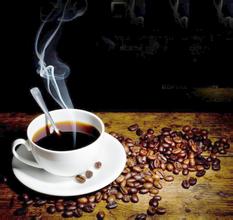
Rwanda Coffee Flavor treatment method
Rwandans have been growing coffee since colonial times, but until 1999, its products were still classified as below Class C and were not popular in the global market. The reason for the poor quality is that farmers do not have a fixed procedure for washing coffee beans and do not process coffee fruits according to specifications in time. Buyers buy coffee beans at $0.33 per kilogram, and farmers keep warm by the meagre profits earned at low prices.

Do you know all about world-class coffee competitions?
Following Cafe Review (Wechat official account vdailycom) found that Beautiful Cafe opened a small shop competition of its own while promoting coffee culture, introducing higher quality coffee and making baristas more professional. Global events attract participation from countries all over the world every year. World Barista Championship World Barista Competition, referred to as WBC by the European Coffee Association

Ethiopian Coffee Story
Following caf é (Wechat official account vdailycom) found that Beautiful Cafe opened a small shop of its own Ethiopian Coffee History: at first, Yejashafi's coffee trees were planted by European monks and later transferred to farmers or cooperatives. Yega Xuefei is actually constructed by the surrounding coffee communities or cooperatives, including: Hafusha, Hama, Bilo

Which brand of Vietnamese coffee is good? Vietnamese coffee brand recommends it.
Following Cafe Review (Wechat official account vdailycom) found that Beautiful Caf é opened its own shop Vietnam Coffee Monizz is a leading global manufacturer of chocolate, biscuits, chewing gum, confectionery, coffee and solid drinks, formerly Kraft Foods, the number one food company in the United States and the second largest food company in the world. Kraft Foods split into two restaurants in October 2012

Rwanda Coffee Flavor
Rwandans have been growing coffee since colonial times, but until 1999, its products were still classified as below Class C and were not popular in the global market. The reason for the poor quality is that farmers do not have a fixed procedure for washing coffee beans and do not process coffee fruits according to specifications in time. Buyers buy coffee beans at $0.33 per kilogram, and farmers keep warm by the meagre profits earned at low prices.

These unique coffee cultures around the world
Follow the comments (official Wechat account vdailycom) and found that Beautiful Cafe opened a small shop of its own. Nowadays, the idea that coffee is good for health has taken root in the hearts of the people. Everyone knows that drinking three cups of coffee a day can prevent the heart.